Archeology
Neolithic collection
A certain kind of culture develops in the upper banks of Struma River since the beginning of the VI century BCE. The tall, elegant, four-legged bows are unprecedented in any other contemporary cultural group. The groundbreaking excavations of the early-neolithic village under Pernik’s hockey pitch began in 1976, under the now late archeologist Michail Chohadziev. He and his colleagues discover an upper-Struma cultural group, later named the ,,Gulubnik group’’, due to it being situated inside the grounds of the titular village. In 1979 M. Chohadziev sets about the excavation work in Gulubnik. The site is promising and Chohadziev attracts one of Europe’s most prominent prehistorians – Jurai Pavuk, as his co-supervisor. Significant long-term excavation work takes place in the village mound up to the year 1993. The Gulubnik settlement mound is huge in size, meant for a multi-layered village structure – it extends for approximately 70 decares on Blato River’s left bank – a river crossing Radomir’s valley and flowing into Struma. The area was populated in 6000 BCE, and hasn’t been deserted for about 400 years. The residue of life from back then makes up a cultural layer of about 5 meters. 1500 m2 of the village have been explored, and thanks to the impressive territory we’ve gained valuable understanding of the architecture and the urban structure, and have discovered a multitude of findings.
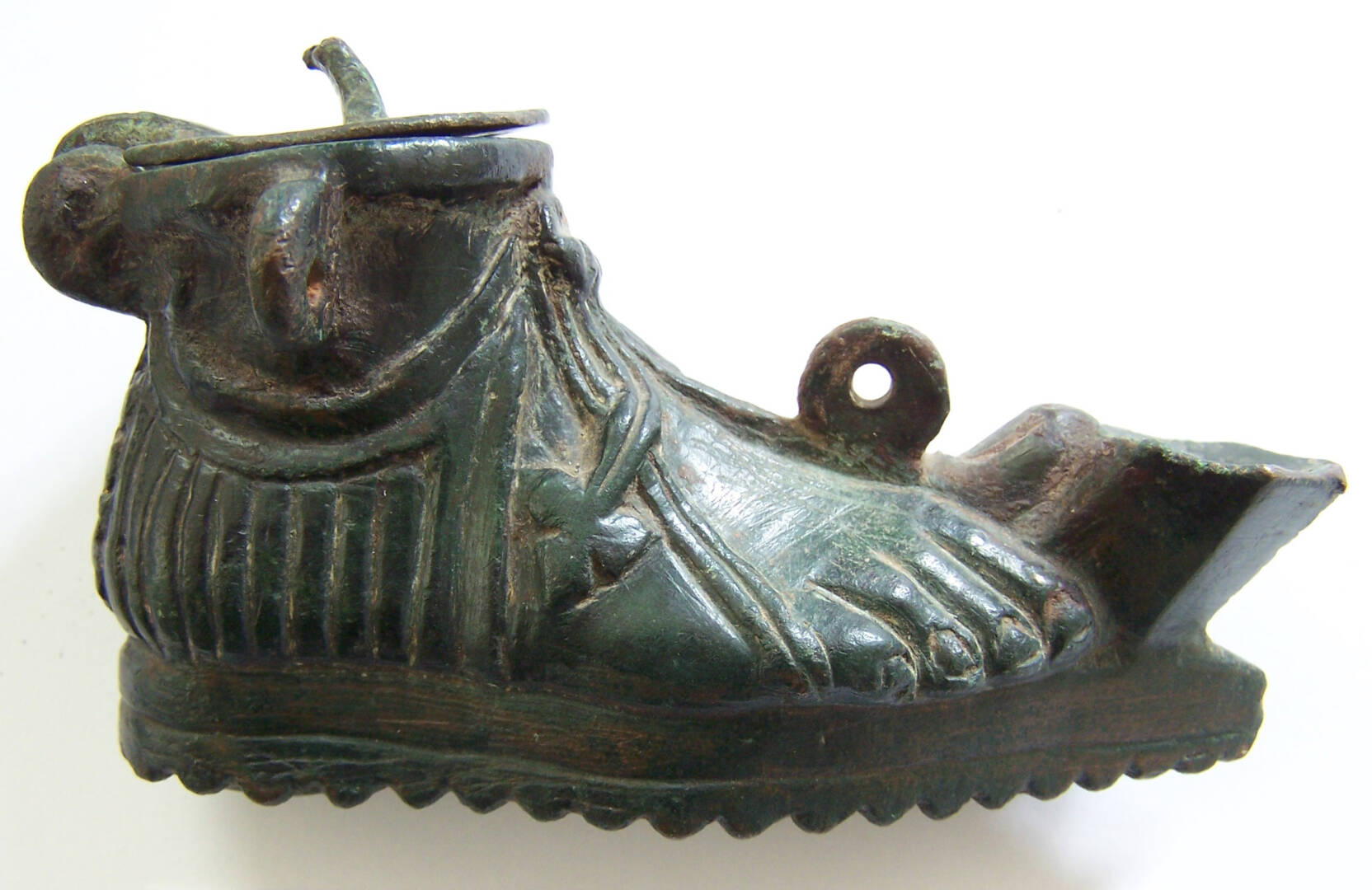
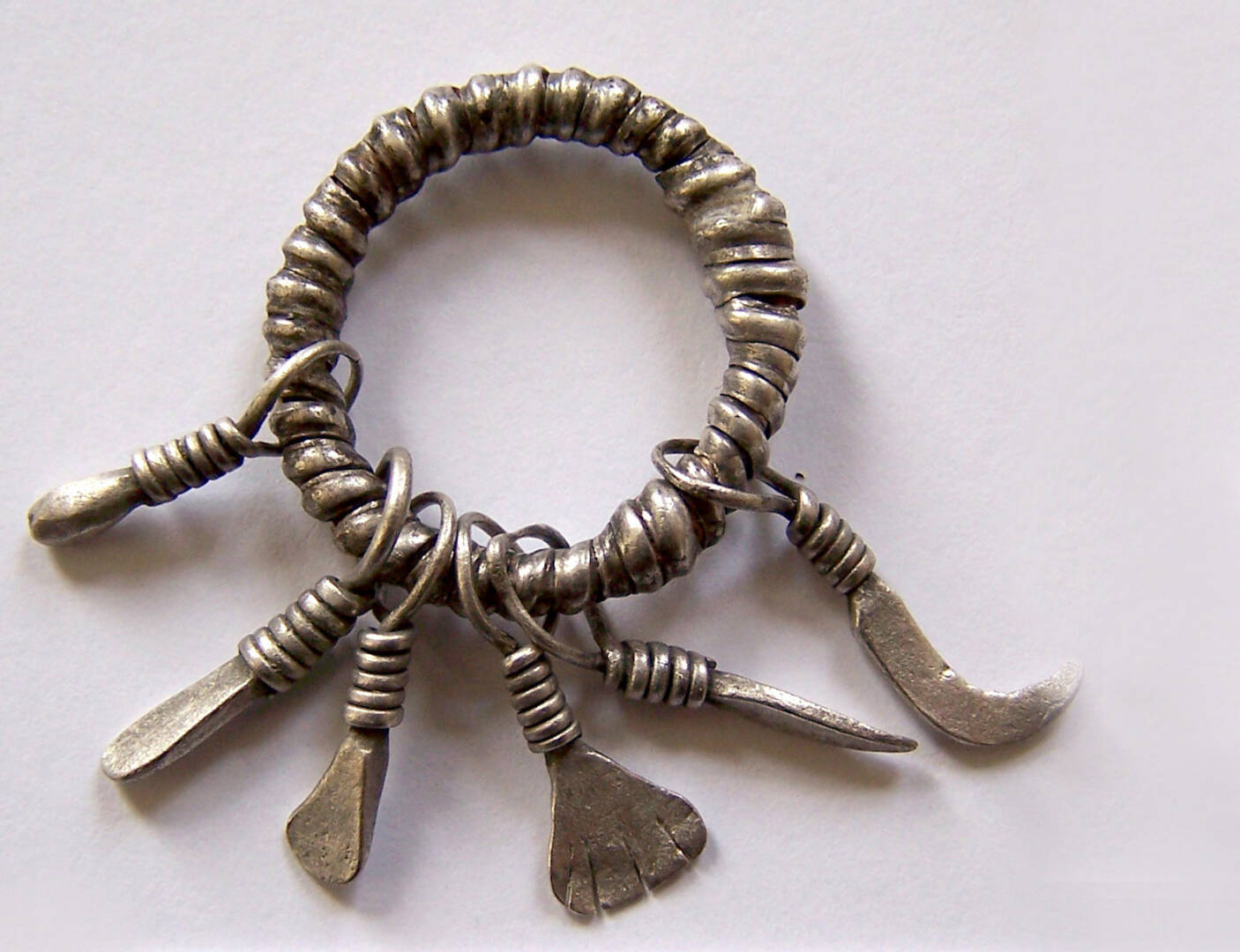
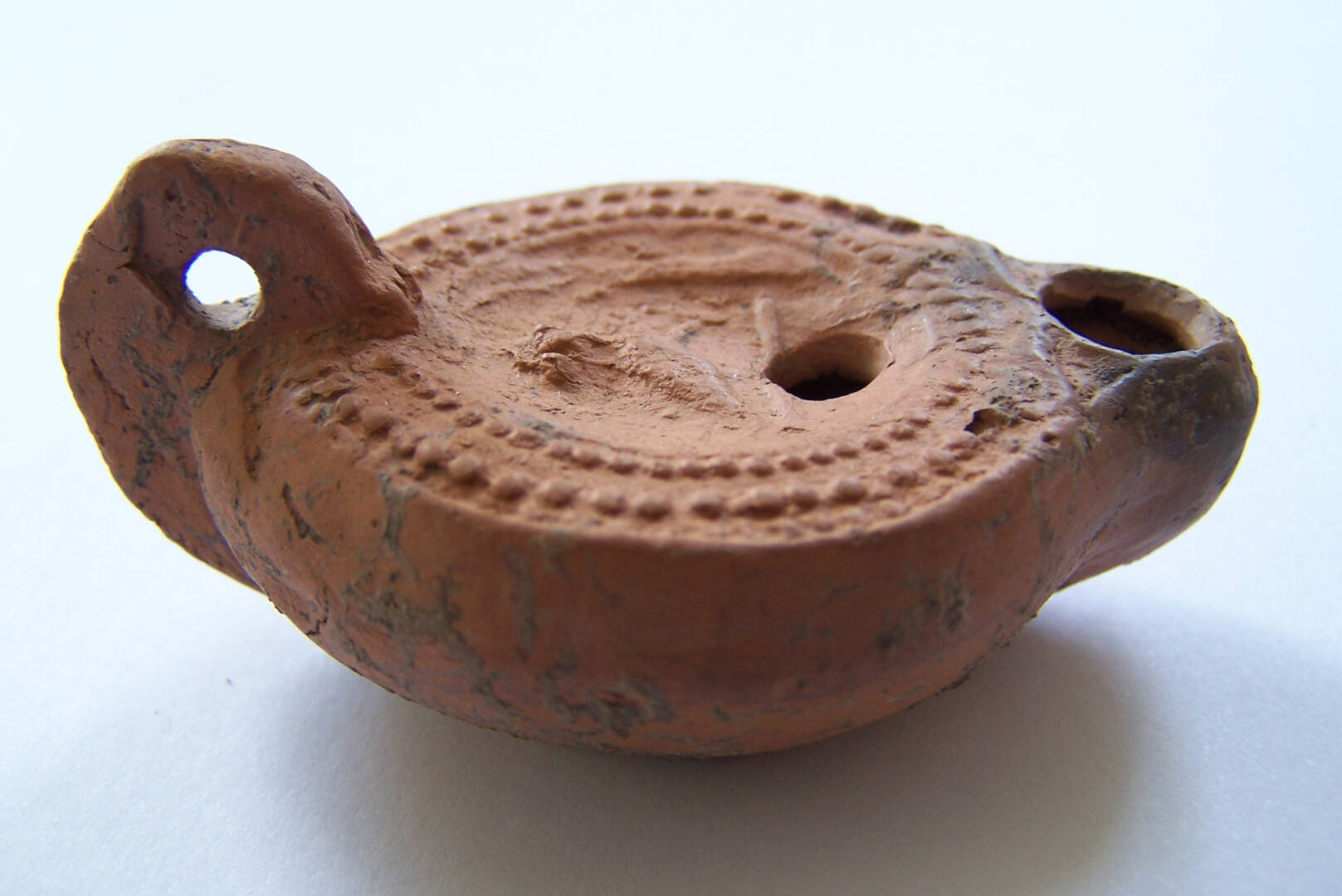
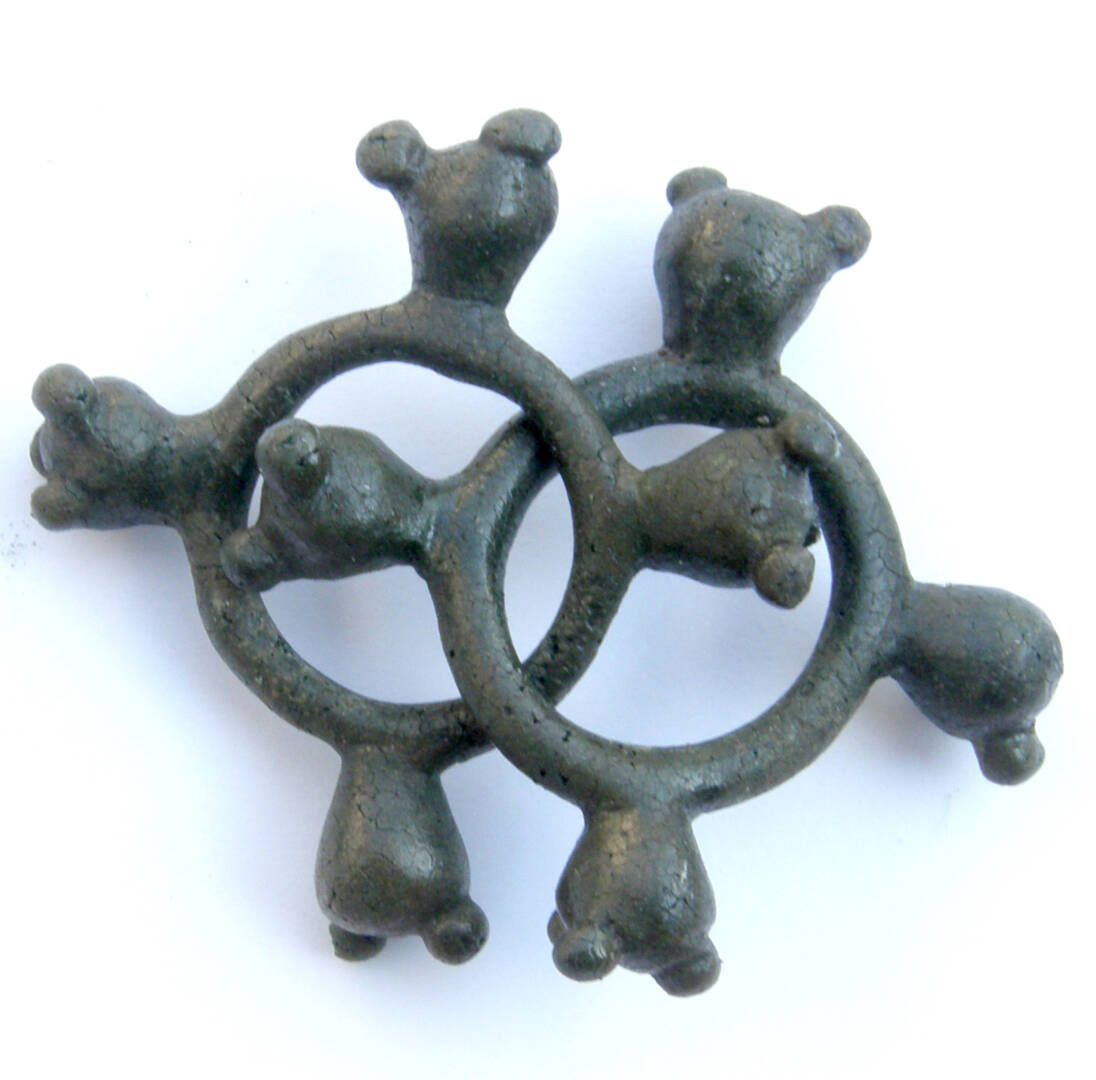
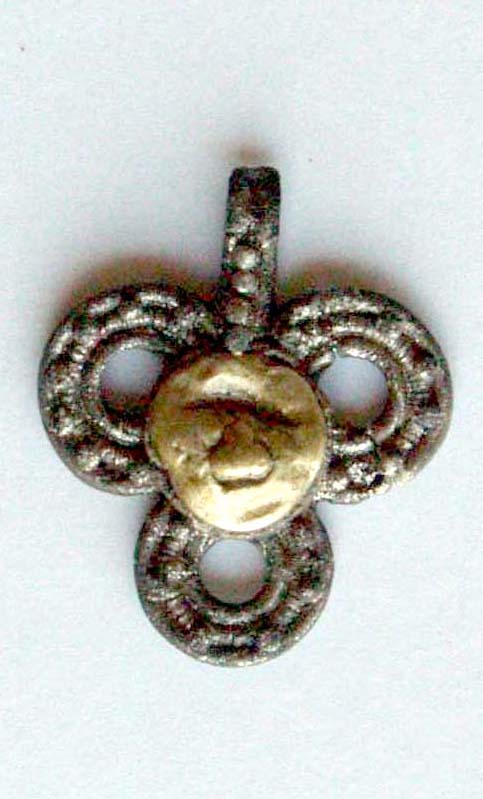
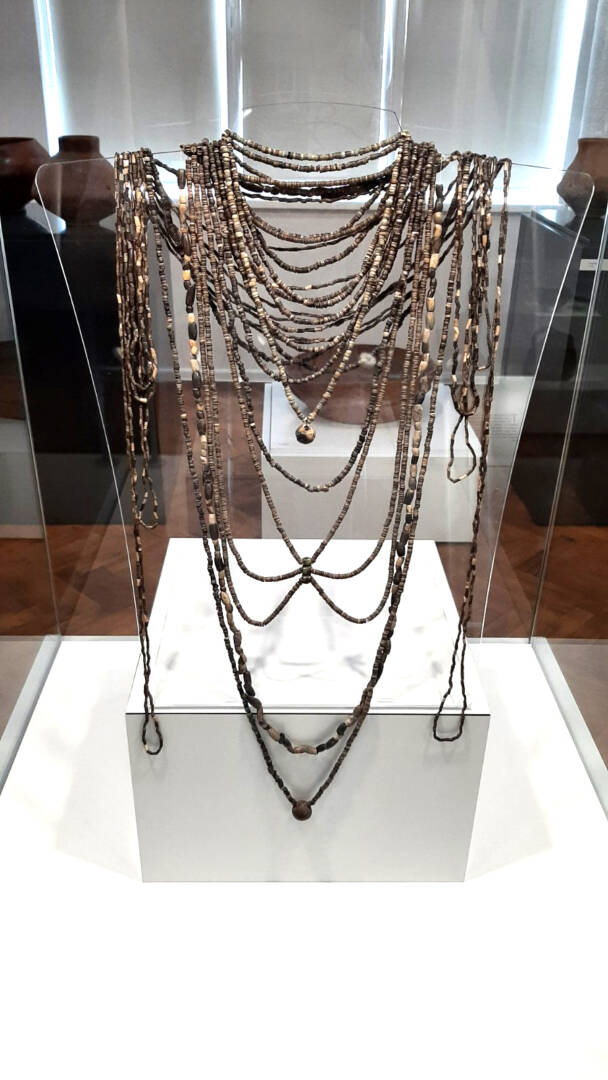
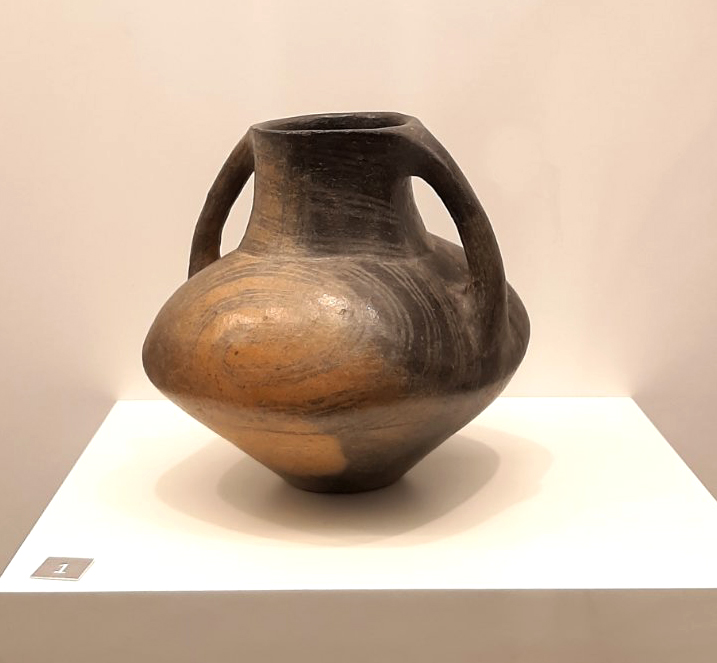
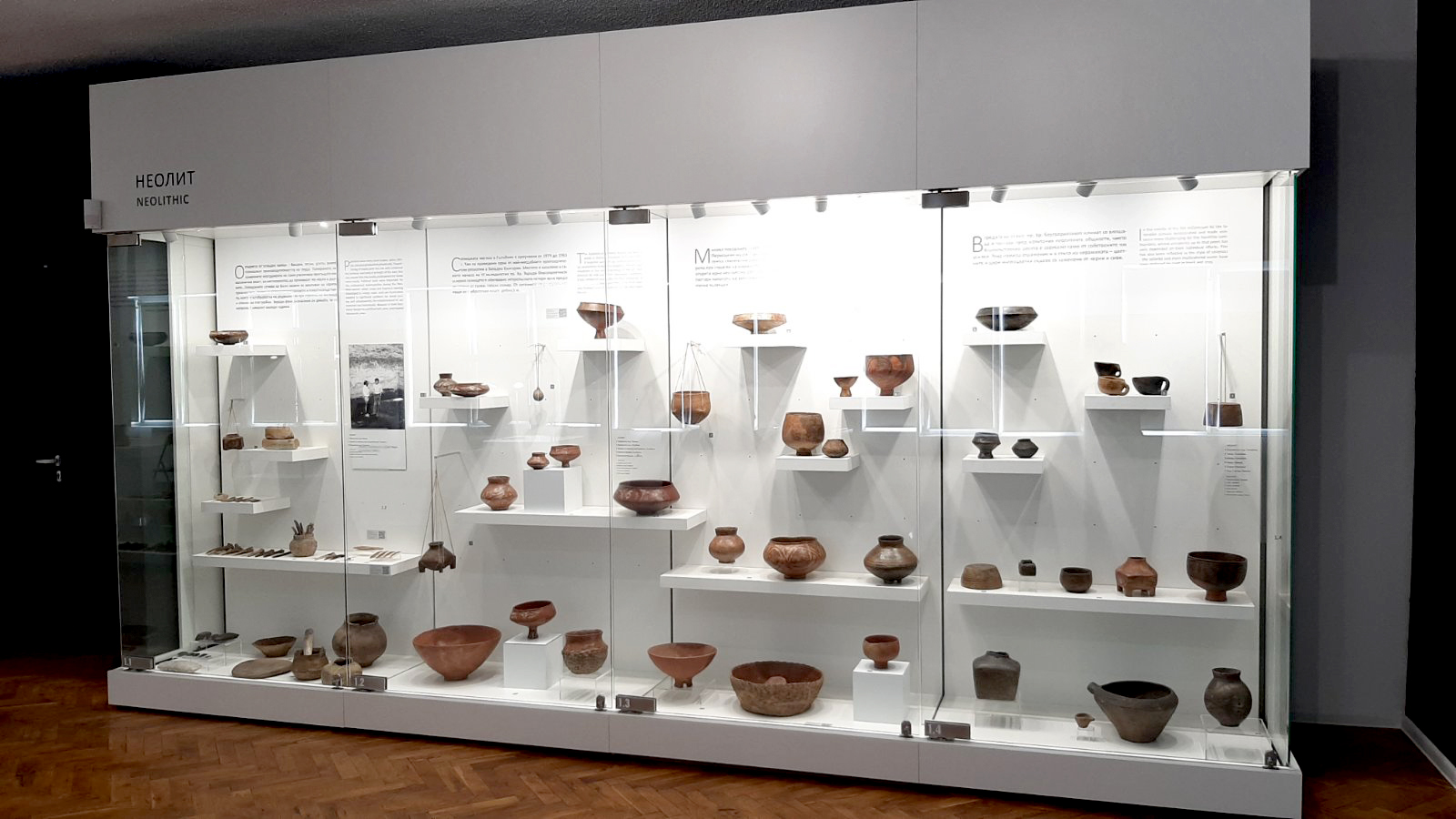
At current times the Regional History Museum has an extraordinary neolithic collection in its possession. Other than the multifaceted ceramic series, Gulubnik gave us the biggest and most diverse collection of cult tables, that are not only attractive for viewers, but also key for tracing down and synchronizing Gulubnik’s ties to other close and far distance cultures, e.g., determining the approximate chronology of particular sites.
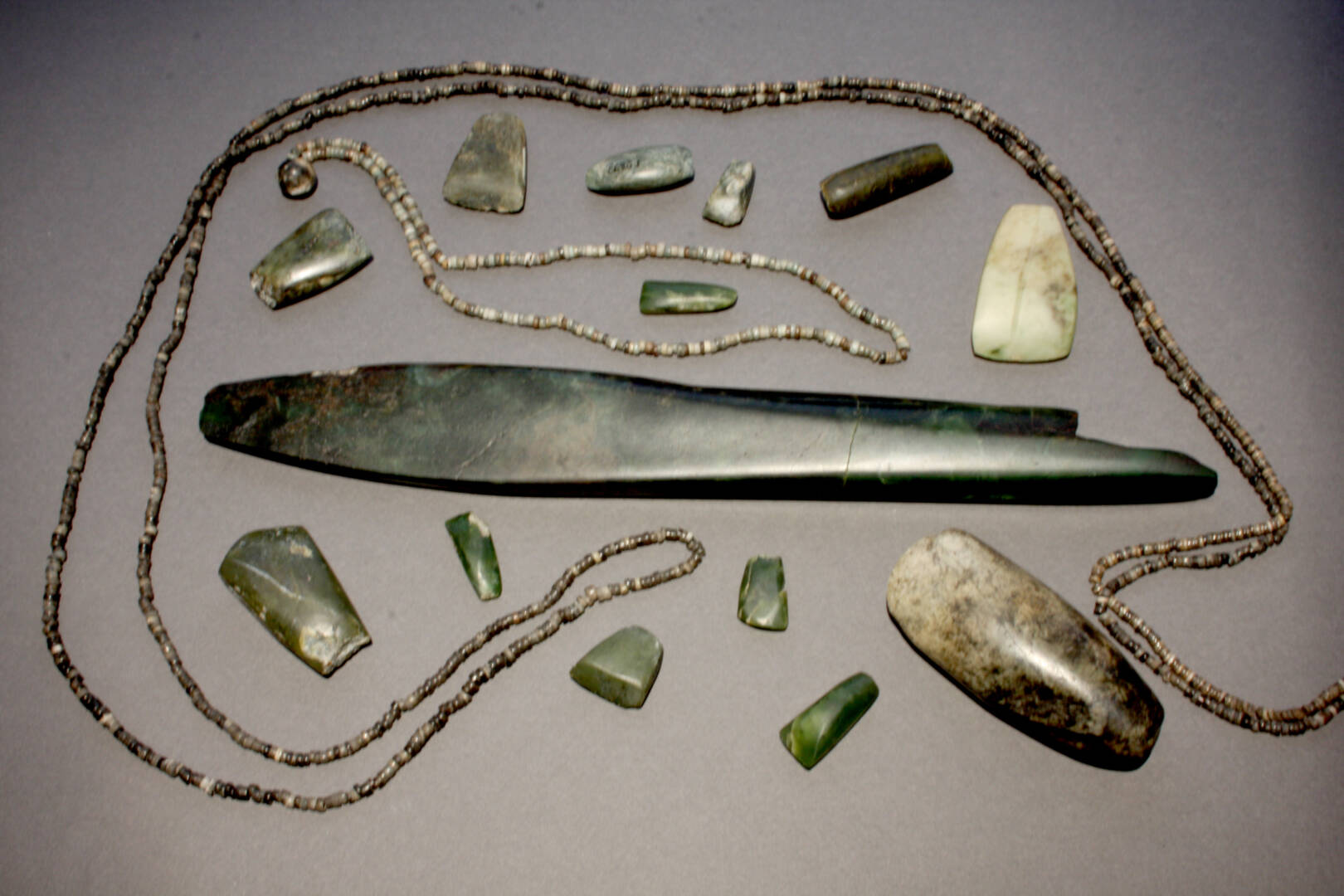
Scientifically put, the most valuable finds are, off course, the unique ones. The male head-shaped vessel is without analogue. We hold possession of the only known jade scepter, and with it an impressive number of jade ax blades. Geologists have not discovered any other jade, or jade-made objects in this part of the world, making us believe that once here there was a jade deposit, exhausted or buried at some point, and that Gulubnik had control on its distribution, most likely the reason for the settlement’s fortune. From Gulubnik comes the longest known bead necklace, composed of the highly valued in neolithic times Mediterranean spondylus shells, dentalium shells, and various stones and minerals. Unfortunately, the necklace was damaged by a fire, losing its colors and shine, and some of its beads. From what was preserved, we’ve managed to recreate a string of 16.80 meters. It also has three jade spacer beads – the only ones dating back to the early Neolithic.
In prehistoric times everything has been made by hand, that’s why there are no two truly identical object. Considering the time passed, every object from 8000 years ago is especially rare and extremely valuable. For the viewer, cultivated esthetically by Picasso, those objects have quite the charm – their impact is very modern.